
Table of Contents
If you've been told to consider freezing or cryopreserving your sperm, the first question most men have is straightforward: "Why do I need to freeze my sperm?" The second, not long after: "Are there different ways to do it, and does it matter which one I pick?" Yes, there are different methods of sperm freezing. But the choice usually isn't yours alone to make. It depends on your situation, your sperm sample quality, and what your clinic offers.
Why Men Opt for Varied Methods of Sperm Freezing
The most common reason for sperm freezing is cancer treatment. Chemotherapy and radiation can permanently damage sperm production. Guidelines from the American Society of Clinical Oncology (ASCO) recommend that sperm cryopreservation be offered to males before cancer-directed treatment begins [1].
But cancer isn't the only reason. There are multiple reasons which are listed below:
Men also freeze sperm:
before a vasectomy or Testosterone Replacement Therapy (TRT)
if they are taking medicines like finasteride (hair-loss medication)
if their job is high risk, or involves chemical or radiation exposure
to keep their options open for having children later in life
The Two Main Methods of Sperm Freezing
Slow Freezing (Conventional Freezing)
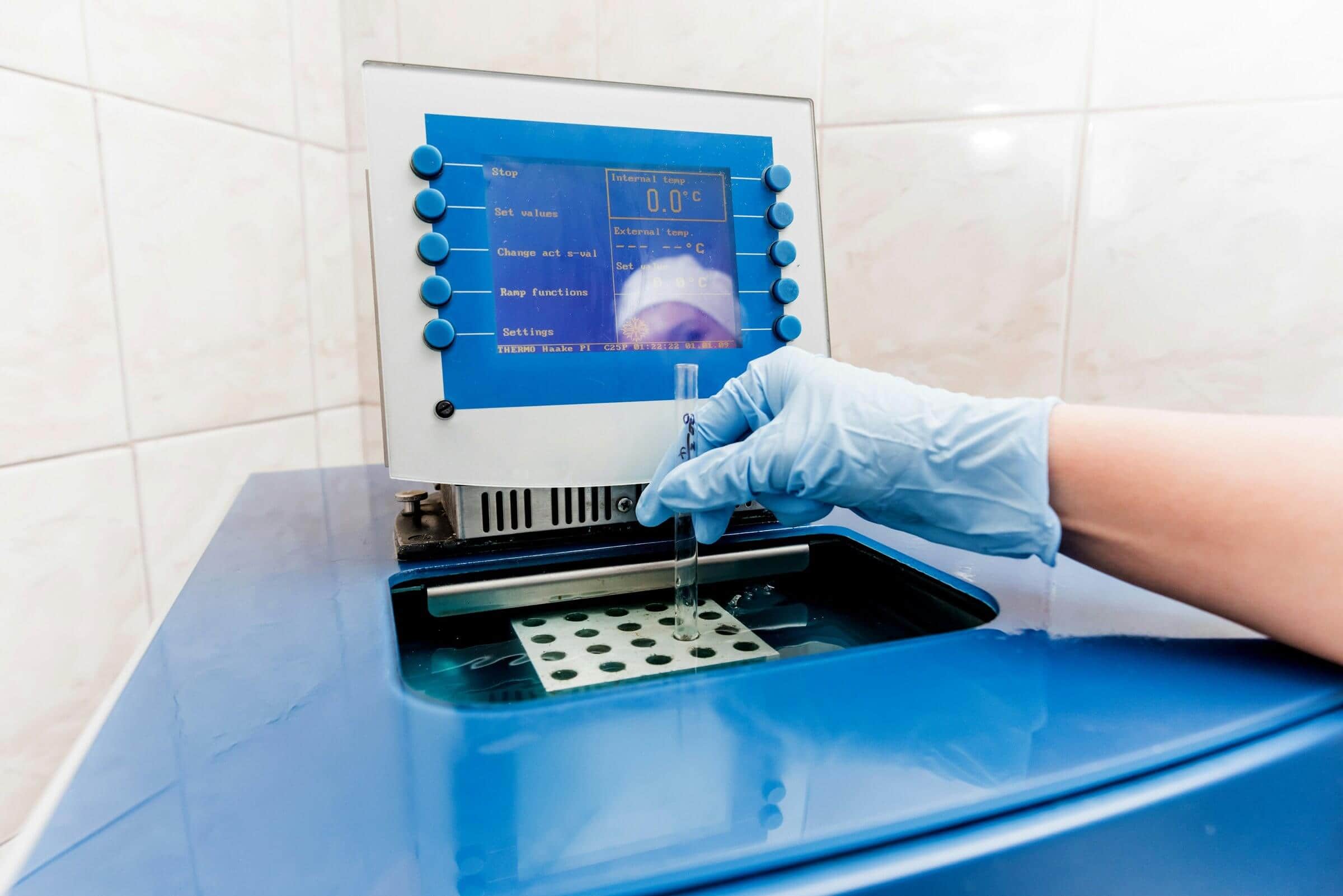
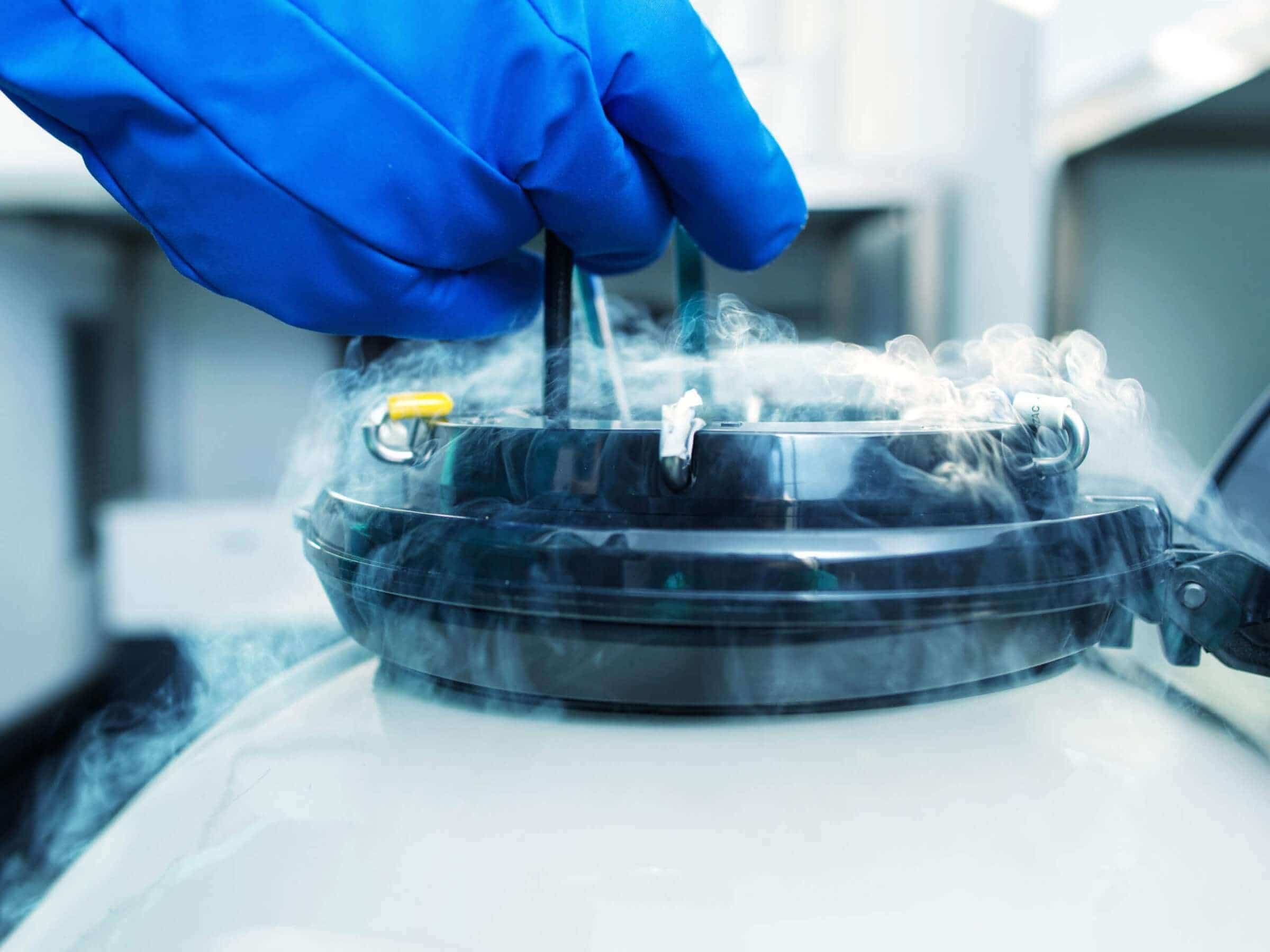
This is the older of the two methods of sperm freezing and still the most widely used around the world. The sperm sample is mixed with a protective solution, and then cooled gradually over a few hours before being stored in liquid nitrogen at around -196°C.
Slow freezing has been used at assisted reproductive technology (ART) labs for decades and has resulted in millions of live births worldwide. It's well understood and the equipment required is standard at most fertility clinics.
The downside is that slow cooling isn't perfect. Ice crystals can still form inside the sperm cells during the process, causing some damage. Post-thaw motility (sperm’s ability to swim) recovery rarely exceeds 50% with conventional slow freezing - meaning roughly half of motile sperm don't survive the thaw. That's not necessarily a barrier to treatment, but it does mean quality is lost [2].
Vitrification (Ultra-Rapid Freezing)
Vitrification is a newer approach. Instead of cooling slowly, the sample is plunged directly into liquid nitrogen. Hence, the temperature drops almost instantly. This speed prevents the formation of ice crystals, by changing the liquid into something closer to a glassy solid.
Some studies show improvements in motility and DNA integrity with vitrification. One study found that slow freezing produced lower progressive motility than ultra-rapid freezing (16.6% vs 34.7%), and higher DNA fragmentation after thawing [3].
That said, vitrification isn't yet standard everywhere. The most commonly used techniques remain programmable slow freezing and freezing on liquid nitrogen vapours, while vitrification is still not widely accepted as clinically standard practice.
What About Surgical Sperm Retrieval?
Some men can't produce a semen sample through ejaculation - due to a blockage, a condition called azoospermia (where no sperm are present in the ejaculate), or a side effect of certain treatments.
In these cases, sperm can be retrieved directly from the testicles via a procedure called testicular sperm extraction (TESE). Updated ASCO guidelines now include TESE as a standard option and recommend it be offered before cancer treatment begins when ejaculation isn't possible [1]. The sperm retrieved this way can then be frozen using either method, depending on the clinic.
How Do You Choose The Right Method of Sperm Freezing?
In practice, most men don't choose a method the way you'd pick between products at a shop. Typically, clinicians such as fertility specialists, endocrinologists and oncologists will recommend what's appropriate based on your sperm quality, your medical situation, and what the clinic routinely does well.
Sperm count: If very few sperm are available, vitrification may be worth asking about for low-volume samples.
Urgency: Vitrification is faster. If you're about to start cancer treatment, timing matters.
Decide future utility:
IUI (Intrauterine Insemination): Needs motile sperm with high quality. Hence, it favours methods that increase motility.
ICSI (Intracytoplasmic Sperm Injection): Uses a single, high-quality sperm injected directly into an egg, making it ideal if the post-thaw count is low.
Clinic experience: The skill of the embryologist handling your sample is as important as the method itself.
The duration of time that a sample stays frozen does not appear to affect the viability |
Research found no significant difference in survival rates between samples stored for 3–12 years and those frozen for just 24 hours [4].
What Happens After Sperm Is Frozen?
Once a sperm sample has been frozen and stored, it remains in specialised cryogenic tanks filled with liquid nitrogen. These tanks are continuously monitored to maintain stable temperatures and protect the sample from accidental warming. Before freezing, the sample is usually tested to assess sperm count, motility, and overall quality. This information helps clinicians estimate how many viable sperm may remain after thawing.
When the sperm is needed in the future, the sample is carefully thawed in the laboratory and reassessed. Not every sperm survives the freezing and thawing process, which is why multiple samples are often recommended when time allows. The number of samples required depends on the individual's sperm quality and future reproductive plans.
For many men, sperm freezing provides reassurance that fertility options remain available, even if medical treatment, surgery, age, or unexpected life events affect their ability to conceive naturally in the future.
The Next Step
Both slow and ultra-rapid methods of sperm freezing can produce viable samples for future use. However, neither is perfect. Both methods result in some loss after thawing, but outcomes with frozen sperm have been good enough to account for millions of successful pregnancies.
If you're facing cancer treatment or any situation where your fertility could be at risk, talk to your doctor or oncologist about the methods of sperm freezing before treatment starts. The timing matters more than most people realise.
For more information about how you can freeze your sperm through Sapyen, visit www.sapyen.co or contact Sapyen Team, and find out how you can freeze your sperm for just $1 for the first 12 months (terms and conditions apply).

References
FAQs
Does freezing damage sperm?
Some sperm are lost during the freezing and thawing process, but many survive and remain capable of achieving pregnancy through assisted reproductive techniques.
How many sperm samples should I freeze?
This depends on your sperm quality, age, fertility goals, and the type of fertility treatment you may need in the future. Your fertility specialist can advise on the ideal number.