
Table of Contents
Two men with similar lifestyles can get completely different fertility results from the same type of semen test. That gap is not always about biology. A lot of the time, it comes down to preparation, or the lack of it. An at-home semen test is only as accurate as the conditions around it. Most men go in without realising that a handful of avoidable mistakes in the days before collection can quietly skew the result. The test ends up reflecting poor prep rather than actual fertility.
About 1 in 20 men is considered sub-fertile or infertile [1], and male factors contribute to roughly half of all cases where a couple struggles to conceive [2]. A semen analysis (SA) looks at three core things: sperm count (how many sperm are present), motility (how well they move), and morphology (whether their shape is normal). Getting an accurate read on all three starts well before you open the kit. Here is what you need to know about at-home semen tests.
Give Yourself the Right Abstinence Window
This is the single most important variable in your preparation. The World Health Organisation (WHO) recommends abstaining from ejaculation for two to seven days before collecting a semen sample for diagnostic testing [3]. That means no sex and no masturbation during that window.
Why does this matter so much? Ejaculating too soon before the test can reduce semen volume and sperm concentration. Waiting too long, on the other hand, can lead to lower sperm motility and higher rates of DNA fragmentation in sperm cells, where the genetic material inside the sperm is damaged [4]. Two to four days tends to be a practical sweet spot for most men, though the specific window your test kit recommends should take priority.
If you have had a previous at-home semen test that showed low motility, some fertility specialists suggest a shorter abstinence window rather than a longer one, since fresher sperm tend to move better [5]. It is worth checking with a doctor if you are unsure what timeframe suits your situation.
Avoid Alcohol and Tobacco Use in the Days Before
Both alcohol and tobacco use affect sperm quality more than most men realise. Studies consistently show that alcohol and cigarette consumption, whether separately or combined, are linked to reductions in semen volume, sperm concentration, and the percentage of motile sperm [6]. Research published in Basic and Clinical Andrology found that tobacco use was also associated with significantly lower sperm motility and reduced sperm count [7].
It is worth knowing that tobacco use has been shown to significantly decrease both semen volume and total sperm count in the ejaculate [8]. There is no safe exposure threshold when it comes to pre-test preparation. Stopping alcohol and tobacco use for at least 48 to 72 hours before performing at-home semen test is a reasonable minimum, and avoiding it for the entire 2–7-day abstinence window is better.
Watch the Heat
Sperm are extremely temperature-sensitive. The testicles sit outside the body precisely because sperm production, called spermatogenesis, requires a temperature a couple of degrees cooler than core body temperature. Anything that raises scrotal temperature consistently can affect sperm quality.
Research shows that increased scrotal temperature is associated with reduced sperm concentration, lower motility, and even sperm DNA damage [9]. Full-body immersion in a hot bath or spa at temperatures over 36.9°C for 30 minutes or more each week, sustained over several months, has been linked to reversible negative effects on sperm motility [10].
In the week before your test, skip hot baths, spas, and saunas. Wear looser underwear. If you work with a laptop on your lap for extended periods, a lap desk helps create distance. These are not dramatic changes, but they reduce an unnecessary variable when you are trying to get an accurate result.
Collect the Sample Correctly
When the collection day arrives, cleanliness matters. Wash your hands and genitals thoroughly before collecting the sample. This reduces the risk of bacteria or debris contaminating the sample, which can interfere with the test.
The sample must be collected by masturbation directly into the sterile container provided with the kit. Do not use any lubricant or saliva, both can harm sperm. Standard condoms cannot be used for collection either, as the powder or latex material in most condoms can kill sperm. Some kits provide a special collection condom if intercourse-based collection is preferred, but this must be specified in the instructions.
Collect the full ejaculate. Missing the first portion of the sample, which tends to have the highest sperm concentration, can give you an inaccurate low reading.
Handle the Sample the Right Way
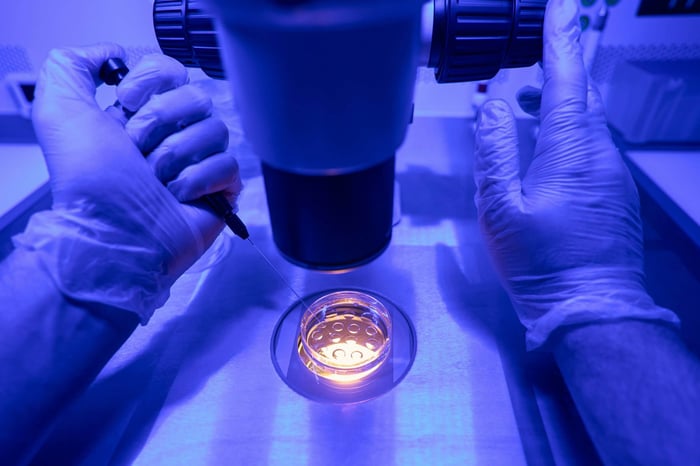
An at-home semen test still requires the sample to be processed correctly after collection, whether that means analysing it immediately with a home device or sending it to a partner laboratory.
The WHO recommends that semen samples be kept at a temperature between 20°C and 37°C during transport, roughly body temperature, to preserve sperm viability [11]. If your kit requires you to send the sample to a lab, keep the container in an inner jacket pocket rather than a bag or car cupholder. Avoid exposing the sample to direct sunlight or cold air.
Most at-home semen test kits require the sample to be analysed or dispatched within 30 to 60 minutes of collection [11]. Sperm motility begins to decline after ejaculation, so delays affect accuracy. Set everything up before you collect, have the packaging ready, know the address, check the nearest post-box or pickup time in advance.
Things That Affect Results Over a Longer Timeframe
Some lifestyle factors affect sperm quality over weeks rather than days. Spermatogenesis, the process by which sperm are produced, takes roughly 64 to 74 days from start to finish [10]. This means that illness, significant stress, intense heat exposure, or heavy substance use from two months ago can still show up in your results today.
A high fever in the weeks before your test, for example, can suppress sperm production and reduce your count temporarily. If you have been unwell recently, it is worth noting this when you discuss your results with a doctor.
Medications can also interfere. Some antibiotics, anabolic steroids, testosterone supplements, and certain blood pressure medications are known to affect semen quality. If you are on any regular medication, speak with your general practitioner before testing so any results can be properly interpreted.
What to Do with Your Results
At-home semen test gives you data, not a diagnosis. Most at-home semen test kits measure sperm count and motility, and some assess concentration as well. WHO reference values for a normal semen analysis include a sperm concentration of at least 16 million per millilitre, total motility of at least 42%, and progressive motility, sperm moving forward in a reasonably straight line, of at least 32% [3].
Falling below those numbers does not automatically point to infertility. Semen quality varies considerably between samples from the same person, which is why clinical guidelines generally recommend at least two separate tests before drawing any firm conclusions [11]. A low home result is a prompt to speak with a doctor, not a final word.
If you want an at-home semen test option that checks for DNA fragmentation level in addition to semen analysis, opt for Sapyen's Complete Analysis kit.
Sapyen Complete Analysis

$869.00
$1,400.00
This is Sapyen’s most comprehensive test, combining our Core Semen Analysis with all of our advanced testing parameters into a single, convenient kit. It delivers the clearest, most complete picture of your reproductive health, helping you understand your sperm’s function… read more
It is designed to assess multiple semen parameters, including sperm count, motility, morphology, and DNA fragmentation, in a private setting, and the results can be taken directly to a clinician for proper interpretation. At the same time, Sapyen’s patent-pending technology keeps your sample viable for 72 hours. For more details, visit https://www.sapyen.co/
REFERENCES
https://www.fertstert.org/article/S0015-0282(23)01998-2/fulltext
https://www.rbmojournal.com/article/S1472-6483(14)00545-8/fulltext
FAQs
Does stress affect semen test results?
Yes. Psychological stress has been associated with lower sperm concentration and motility in some studies. While one stressful day is unlikely to dramatically change your result, ongoing high stress in the weeks before testing may be worth managing.
Can I eat normally before the test?
Yes. There is no requirement to fast. Staying well hydrated and eating a balanced diet in the days before the test is fine and will not interfere with the result.