
Table of Contents
Imagine the average guy gearing up for a baby. He paints a room, installs a car seat, and reads a parenting book at one in the morning when he cannot sleep anyway. What he almost never does is ask a much simpler question. Does anything about my own body affect how this pregnancy goes? Most men assume the answer is no. The research on male fertility says otherwise, and it has been saying so for longer than most of us realize.
A Job That Was Never Only Hers
For decades, preconception health was treated as a woman's job. Folic acid, prenatal vitamins, and cutting back on alcohol are all aimed at the person carrying the baby. Men were mostly bystanders, useful for moral support and moving furniture. That picture is out of date. Fathers contribute half the genetic material in every pregnancy, and their male fertility health in the months before conception shapes that contribution in ways that are only now getting proper attention.
Part of the reason this took so long to catch on is straightforward. Pregnancy happens inside a woman's body, so it made sense for clinics and public health campaigns to focus there first. But a growing body of research now treats the period before conception as something both partners go through, not something one partner does while the other watches. A systematic review of the evidence base described this gap plainly, noting that fathers have been left out of preconception research and clinical guidance for years despite clear signs that their health matters too [1].
The Biology Most Men Skip Over
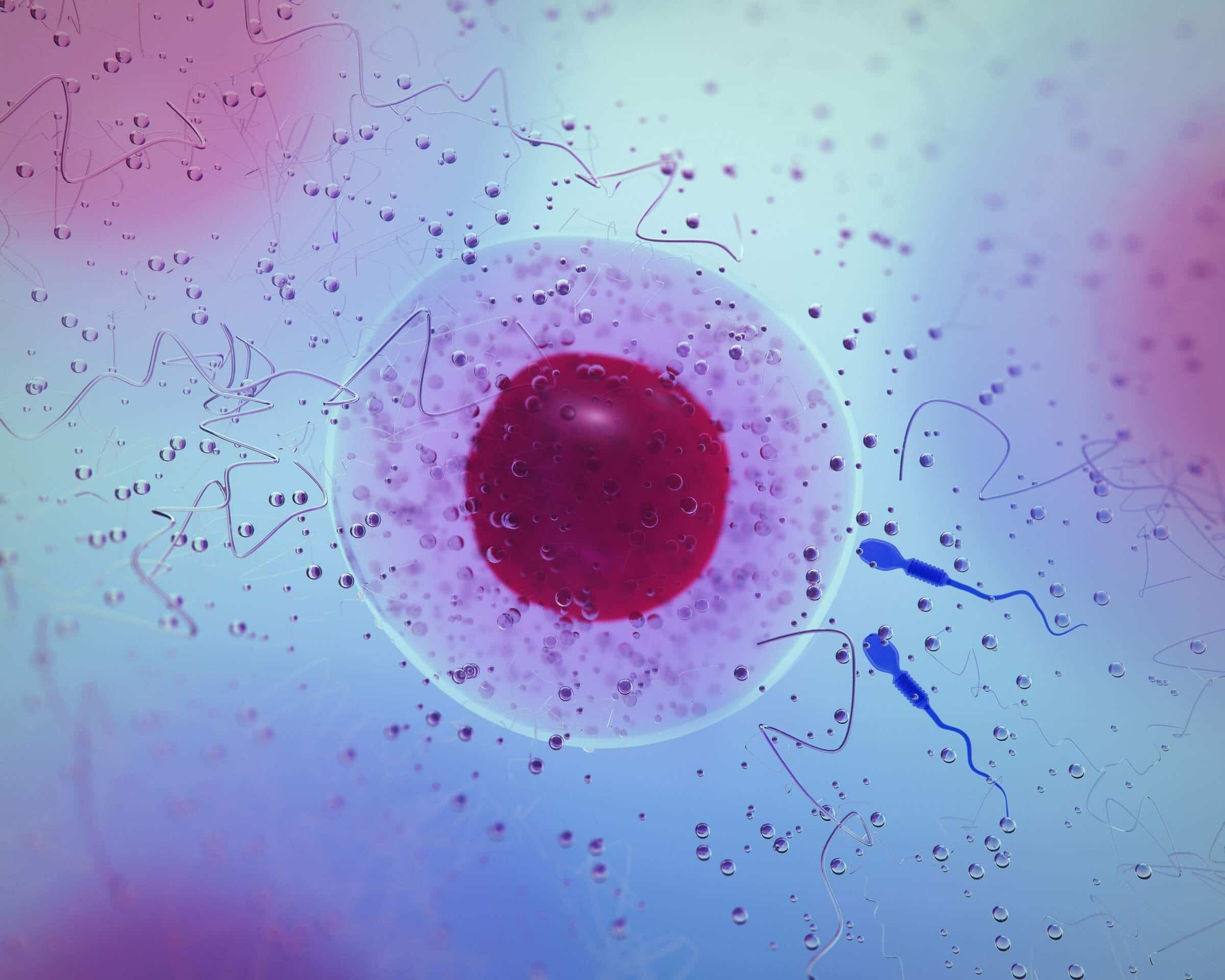
Here is the biology on male fertility in plain terms. Every sperm cell a man produces takes around ten to eleven weeks to fully mature from start to finish. The sperm involved in a pregnancy this year reflect choices made months earlier, not just the week of conception. That single fact explains why researchers have started paying closer attention to fathers when trying to understand outcomes such as miscarriage, low birth weight, and certain birth defects [1]. A scoping review looking specifically at infant birth weight found consistent links between paternal health behaviours before conception and outcomes for the baby [2].
Age Cuts Both Ways
Age is part of the story too, and it cuts both ways in a relationship. A review study regarding male fertility pooled data across multiple studies and found that men aged 45 and over faced a noticeably higher risk of contributing to a miscarriage compared with men in their late twenties, even after accounting for the mother's age [3]. That does not mean older fathers cannot have healthy pregnancies; plenty do. It does mean age deserves the same attention from men that it has long received from women.
A Bigger Trend Than Any One Couple's Story
There is also a bigger male fertility-related trend worth knowing about, one that goes beyond any single couple's situation. A large international review in 2022 found that average sperm counts have fallen sharply in recent decades, with the decline accelerating since the year 2000 [4]. Nobody has pinned down one single cause. But the pattern shows up consistently enough across different countries that it has become a genuine public health question rather than a strange one-off finding.
Weight, Smoking, and Habits That Stack Up
Every day habits matter more than most men expect, when it comes to male fertility. Higher body mass index (BMI) has been linked in multiple studies to lower sperm counts, reduced sperm motility, and higher rates of DNA damage in sperm cells [5]. This is not a niche finding either. Global obesity rates among men have climbed steadily over the past three decades, which means more prospective fathers are quietly carrying a fertility risk they have never been told about.
Smoking tells a similar story. A meta-analysis pooling data from more than ten thousand men found that smokers were significantly more likely to have low sperm counts and abnormally shaped sperm than men who did not smoke [6]. Heavy drinking places further strain on the same systems, and the effects tend to stack rather than cancel each other out. A man who smokes and drinks heavily is not simply doubling one risk; he is compounding several at once, from hormone levels to the structural integrity of the sperm itself.
What Actually Needs to Change
None of this requires a complete overhaul of a man's life. The Centers for Disease Control and Prevention, known as the CDC, provides a short, fairly unglamorous list of steps for men planning a family. Get tested for male fertility and treated for sexually transmitted diseases. Cut back on alcohol and quit smoking. Limit unnecessary exposure to pesticides, solvents, and heavy metals at work or at home. Work toward a healthy weight through regular movement and reasonable food choices [7]. None of these is complicated. Most are things a doctor would suggest to any man, regardless of whether he is planning a family.
It Is Not Only Physical
Preparing for pregnancy is not only physical. Stress, poor sleep, and untreated mental health struggles affect hormone levels, since hormones improve male fertility by increasing sperm production. Treating this period as a shared project with a partner, rather than something that is mainly happening to her, tends to produce better outcomes for everyone in the household, including the man himself.
Timing Matters More Than People Think
Timing is the part men skip most often. Because a new batch of sperm takes roughly three months to develop, the changes that matter most occur three to six months before actively trying to conceive, not the week before. A man who quits smoking, cuts back on drinking, and gets his weight moving in the right direction during that window gives his body real time to produce healthier sperm, thereby improving male fertility. Waiting until the week a couple starts trying is, biologically speaking, too late to matter much.
Checking Where You Actually Stand
The one step most men skip entirely is simply finding out where they currently stand. Semen quality varies widely between individuals and shifts with lifestyle changes, so a baseline check is genuinely useful information rather than a box-ticking exercise. Sapyen's at-home male fertility analysis kit lets you check core markers such as sperm count and motility without booking a clinic appointment, which makes it a reasonable first step for any man who is starting to think seriously about fatherhood.
Core Semen Analysis
$149.00
$250.00
Get a clear, clinical picture of your sperm health with Sapyen’s Core Semen Analysis. We measure key factors like sperm count, concentration, motility, and morphology. Designed for convenience without compromising accuracy, it’s the easiest way to check in on your… read more

Preparing for pregnancy was never only a woman's task. It just took the research world a while to catch up with what fathers actually contribute, and it will take a while longer for that message to reach every kitchen table and locker room conversation where it belongs.
REFERENCES
- https://pmc.ncbi.nlm.nih.gov/articles/PMC10022288/
- https://journals.plos.org/plosone/article?id=10.1371%2Fjournal.pone.0344275
- https://pmc.ncbi.nlm.nih.gov/articles/PMC7456349/
- https://academic.oup.com/humupd/article/29/2/157/6824414
- https://www.fertstert.org/article/S0015-0282%2823%2901935-0/fulltext
- https://www.ncbi.nlm.nih.gov/pmc/articles/PMC6325781/
- https://www.cdc.gov/preconception/men.html
FAQs
Does a man's diet really affect a baby's health, or is that overstated?
Diet affects sperm quality more directly than most men assume, and poor paternal nutrition before conception has been linked to lower birth weight and other outcomes in multiple studies, so it is worth taking as seriously as a partner's diet.
How long before trying to conceive should a man actually start preparing?
Roughly three months is a sensible target, since that is about how long it takes a new batch of sperm to fully develop from start to finish.