
Table of Contents
- What Is Sperm DNA Fragmentation? What Does It Test For?
- What Causes Sperm DNA Fragmentation?
- Benefits of Sperm DNA Fragmentation Testing
- Pre-preparation for Sperm DNA Fragmentation Test
- What to Expect From the Sperm DNA Fragmentation Test
- What Is the Next Step If DNA Fragmentation Results Are Abnormal?
- When Should You Consider DNA Fragmentation Testing?
- Risks and Limitations of Sperm DNA Fragmentation Test
- Cost of Sperm DNA Fragmentation Test
- Consequences of Not Testing on Time
- Why Choose Sapyen for Sperm DNA Fragmentation Test?
- References
- FAQs
Male fertility testing has, for a long time, stopped at the standard semen analysis - count, motility, morphology, and that's about it. But for many couples dealing with unexplained infertility, repeated miscarriages, or failed IVF cycles, that picture is incomplete. The sperm may look fine on paper and still carry damaged DNA that a routine test would never pick up. That's where sperm DNA fragmentation testing comes in.
This guide walks through what the test is, what it measures, who should consider it, and what to do if the results come back elevated - with references to scientific studies throughout.
What Is Sperm DNA Fragmentation? What Does It Test For?
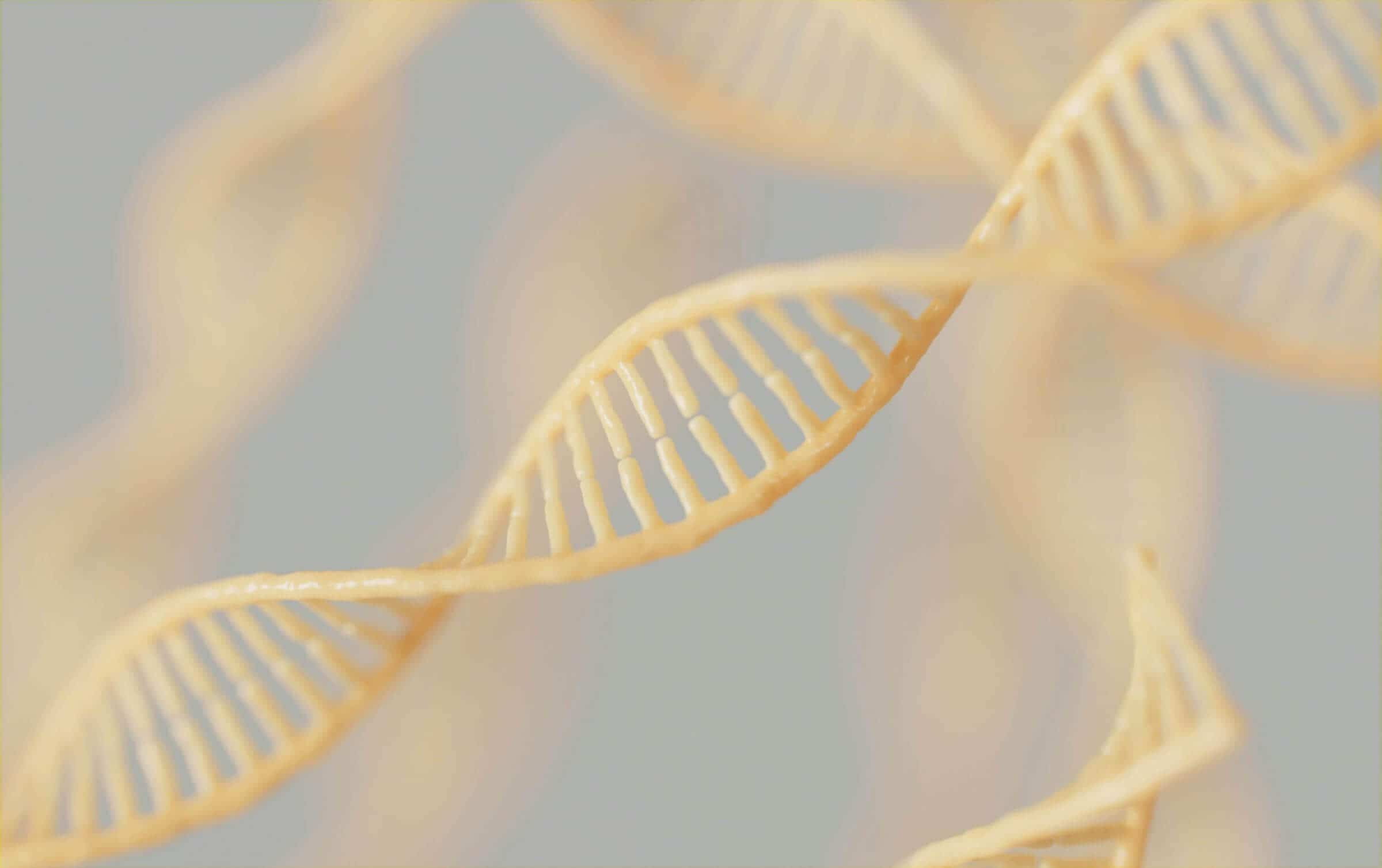
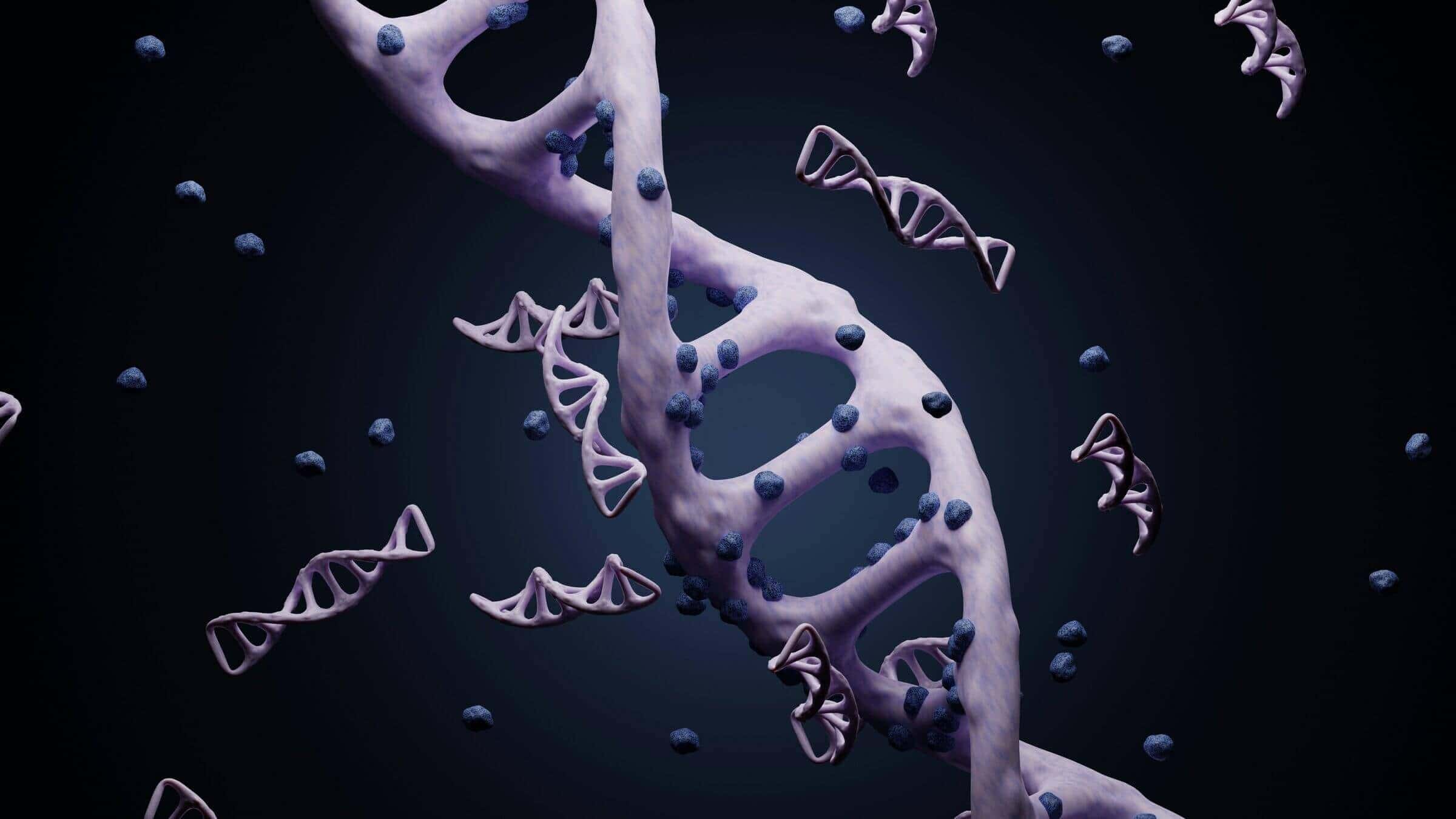
Sperm carry half the DNA needed to build a healthy embryo. Development of breaks or damage within the DNA strands of sperm is referred to as sperm DNA fragmentation. This test quantifies the DNA Fragmentation Index (DFI) — the percentage of sperm in a sample carrying damaged DNA. This test also evaluates sperm DNA integrity and can help predict both natural conception and assisted reproductive technology (ART) outcomes [1].
If that DNA has strand breaks, fertilisation, embryo development, and pregnancy outcomes can all be affected, even when the semen test looks normal.
What Causes Sperm DNA Fragmentation?
Sperm DNA fragmentation originates from two main mechanisms: defective sperm maturation in the testes and post-testicular oxidative stress. Known contributors include smoking, obesity, varicocele, genital infections, fever, radiation, and advanced paternal age [2].
Benefits of Sperm DNA Fragmentation Testing
SDF testing can clarify unexplained infertility, guide ART decisions, and identify varicocele cases where surgical repair may reduce DNA Fragmentation Index. The 2024 AUA/ASRM Male Infertility Guideline supports considering testicular sperm retrieval in nonazoospermic men (having measurable sperm in the semen) with elevated DNA Fragmentation Index - a decision that standard semen analysis alone would not inform [3].
Pre-preparation for Sperm DNA Fragmentation Test
The World Health Organization (WHO) recommends 2–7 days of sexual abstinence before semen collection. Longer abstinence has been associated with higher DFI in some research [5]. Avoid alcohol, saunas, and smoking in the days prior.
What to Expect From the Sperm DNA Fragmentation Test
The sperm DNA fragmentation test measures the percentage of sperm in a sample that carry broken DNA strands, which is reported as a DNA Fragmentation Index (DFI). Here’s the range of DFI test results:
A DFI below 15% is generally considered normal
15–25% is borderline
above 25–30% is typically elevated
Wondering if DNA fragmentation in sperm causes birth defects? A retrospective study of over 6,000 IVF (in vitro fertilization) /ICSI (intracytoplasmic sperm injection) cycles found miscarriage rates were significantly higher in patients with DFI above 30% compared to those below 15% [6] However, high DFI does not prevent fertilisation.
What Is the Next Step If DNA Fragmentation Results Are Abnormal?
Options include lifestyle changes (quitting smoking, antioxidant supplementation, varicocele repair), changing ART strategy (switching to ICSI or testicular sperm), and treating underlying infections or hormonal issues. The 2024 AUA/ASRM guideline supports testicular sperm use in nonazoospermic men with elevated DFI as a clinical principle [3].
DNA Fragmentation Test
$399.00
$500.00
While this test includes our Core Semen Analysis—measuring count, movement, and shape—our DNA Fragmentation test also reveals the quality of the genetic material inside your sperm, also known as a DNA Fragmentation Index. High fragmentation can impact conception and pregnancy… read more

When Should You Consider DNA Fragmentation Testing?
Consider the sperm DNA fragmentation test in addition to or after a standard semen analysis. The AUA/ASRM guideline does not recommend SDF as a first-line test [4], but the ESHRE RPL guideline (2023) now recommends considering it in the workup for recurrent pregnancy loss [8]. People who fall under this category should consider sperm DNA fragmentation testing.
Risks and Limitations of Sperm DNA Fragmentation Test
There are no physical risks. It requires only a semen sample. Clinically, no universal cut-off value is standardised across assay types. The international societies like the American Urological Association (AUA), European Association of Urology (EAU), National Institute for Health and Clinical Excellence (NICE), and American Society for Reproductive Medicine (ASRM) do not recommend SDF as a routine screen. Its value is highest in specific clinical scenarios like recurrent pregnancy loss or failed ART cycles [4].
Cost of Sperm DNA Fragmentation Test
The price of sperm DNA fragmentation tests varies depending on where you're testing and whether you're going through a clinic or an at-home kit service.
At a fertility clinic or pathology lab, this testing falls between the AUD $200–$400 range for the test alone, though this often excludes a standard semen analysis.
Sapyen's at-home DNA Fragmentation Test includes full Core Semen Analysis alongside the DNA Fragmentation Index, with free return shipping - so you're not paying separately for two tests. The results are delivered in plain language without needing a separate consultation to decode them.
Consequences of Not Testing on Time
High DFI left undetected can result in repeated IUI failures, multiple miscarriages, and poor IVF outcomes without the male factor being identified. Research found that elevated DFI in men from recurrent pregnancy loss couples was associated with difficulty achieving subsequent pregnancies [7].
Why Choose Sapyen for Sperm DNA Fragmentation Test?
Sapyen's DNA Fragmentation Test goes beyond a standard semen analysis. It measures your DNA Fragmentation Index alongside core semen parameters — count, concentration, motility, morphology, volume, pH, and more — all from a single at-home collection kit. Your sample is processed by an accredited lab, and results are delivered within 72 hours, without a clinic visit. No other provider has achieved global certification and endorsement like Sapyen.
Wondering how to get this test done at home? You can order and use our test as given here. Once the semen sample is collected, it can be sent to the lab for analysis as shown here.
In 72 hours, the report is delivered in plain language without including any medical jargon to decode. And because the test includes the Core Semen Analysis alongside the DNA fragmentation test, you're not getting an isolated number. You're getting context: how your DNA integrity compares against your other parameters, so any next steps are based on a fuller picture rather than a single data point.
If you want the most complete view of your sperm health in one go, the Sapyen Complete Analysis combines DNA fragmentation, antisperm antibody testing, epigenetic DNA methylation (SpermEGT), and the full core semen panel into a single kit. For anyone who's already been through unexplained infertility, failed ART cycles, or recurrent pregnancy loss, it removes the guesswork about where to start.
References
FAQs
Does age affect sperm DNA fragmentation?
Yes. Age can have a significant impact on sperm DNA quality. Studies have shown that infertile men over the age of 40 are more likely to have higher levels of sperm DNA fragmentation compared to younger men [5]. As men age, factors such as oxidative stress, lifestyle habits, environmental exposure, and reduced cellular repair mechanisms may contribute to increased DNA damage in sperm. This can potentially affect fertility outcomes, embryo development, and pregnancy success rates.
Should men with normal semen analysis still consider sperm DNA fragmentation testing?
Yes - especially if there have been failed IUI or IVF cycles despite a normal semen analysis. If issues such as poor embryo quality, failed implantation, or repeated unsuccessful fertility treatments have occurred, sperm DNA fragmentation could be a contributing factor.