
Table of Contents
- 1. Switch from Standard IVF to ICSI
- 2. Bring Down Scrotal Heat
- 3. Reduce Oxidative Stress Through Diet and Antioxidant Support
- 4. Get a Sperm DNA Fragmentation Test - Don't Just Rely on the Standard Analysis
- 5. Check Whether Antisperm Antibodies Are Involved
- Putting It All Together: Know More, Before You Start
- References
- FAQs
You've got the diagnosis. The semen report says slow sperm or maybe your doctor used the term asthenozoospermia, which is the medical name for poor sperm motility. The World Health Organisation's (WHO) 2021 sixth edition guidelines set the lower acceptable threshold for progressive sperm motility at 30% (1). Fall below that, and you're in the territory of reduced male fertility but not in the territory of impossibility.
Plenty of couples with low sperm motility go on to have successful pregnancies through in vitro fertilisation (IVF). The path there usually requires more than just showing up to the clinic. There are decisions you make before treatment, tests you should be requesting, and things happening in your everyday life that will either quietly help or quietly hurt your chances. Here are five of them.
1. Switch from Standard IVF to ICSI
This is the most important clinical call to make early. Standard IVF places sperm and eggs together in a dish and leaves fertilisation to chance. That works well when sperm are strong swimmers. When motility is poor, the odds of fertilisation drop considerably. Research across 22,000 assisted reproductive technology (ART) cycles confirmed that progressive sperm motility directly predicted both fertilisation rate and live birth outcomes in conventional IVF settings (2).
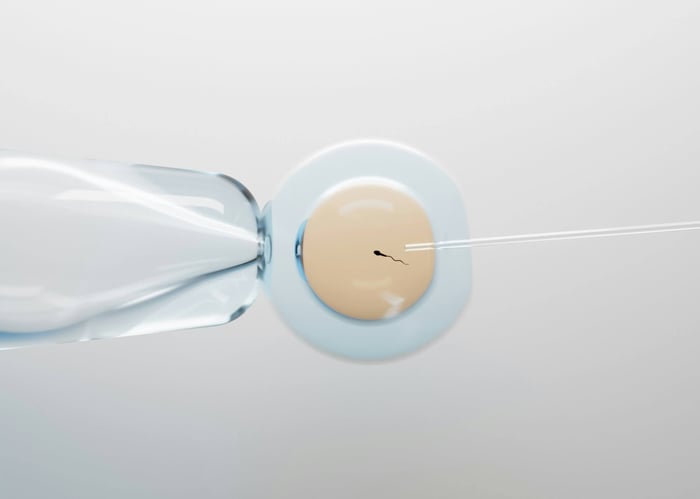
Intracytoplasmic sperm injection (ICSI) removes that dependency almost entirely. An embryologist selects a single sperm and injects it directly into the egg, bypassing the need for forward swimming altogether. For men with severe or complete asthenozoospermia, a 2022 study found clinical pregnancy rates of 65.4% using ejaculated sperm with even minimal progressive motility - compared with just 23.1% when only immotile sperm were available (3). The lesson there is not that motility is irrelevant in ICSI, but that even marginal improvements in sperm quality before the procedure can make a measurable difference.
Talk to your fertility specialist about whether ICSI is right for your case. For most couples dealing with significant motility issues, it is.
2. Bring Down Scrotal Heat
Sperm production and motility depend on temperature. The testes sit outside the body because they need to stay roughly 2–4°C cooler than core body temperature - somewhere around 33–35°C - for sperm to develop properly. When that temperature rises, motility suffers.
A 2023 study confirmed that heat stress produces a measurable decline in sperm motility by impairing the mitochondrial activity that gives sperm their energy to move (4). The 2022 Andrology study on male personal heat exposures also found associations between hot bath use and decreased sperm concentration, while citing evidence that stopping wet heat exposure led to significant improvements in sperm motility among affected men (5).
In practical terms, this means avoiding hot tubs, long hot baths, and saunas while you're preparing for IVF. Switch from tight briefs to loose-fitting boxers. If you work a seated desk job for long stretches, take regular breaks. These small adjustments won't transform severely poor sperm overnight, but they do remove a preventable source of damage during a period when sperm quality matters.
3. Reduce Oxidative Stress Through Diet and Antioxidant Support
Oxidative stress is one of the most well-established causes of both poor sperm motility and sperm DNA damage. It happens when unstable molecules called free radicals - produced by smoking, alcohol, poor diet, and environmental toxins - overwhelm the body's natural defences and begin damaging sperm cells at a structural level.
A 2022 pilot study in the International Brazilian Journal of Urology put 93 infertile men with a history of failed IVF or ICSI through a three-month combined program of lifestyle changes and oral antioxidant supplementation. The result was a meaningful reduction in sperm DNA fragmentation index (DFI) - a key marker of sperm health - alongside improved motility (6). A separate 2023 double-blind randomised controlled trial published in Antioxidants found that three months of oral antioxidant treatment containing L-carnitine and micronutrients produced a significant decrease in DNA fragmentation and a significant increase in sperm motility compared to placebo (7).
You don't need to overhaul everything at once. Stop smoking, reduce alcohol, and add antioxidant-rich foods - nuts, leafy greens, berries, tomatoes. Talk to your doctor about whether targeted supplementation (zinc, selenium, vitamins C and E, L-carnitine) suits your situation. The three-month window matters: sperm take approximately 70–90 days to develop, so changes you make today show up in your semen analysis roughly three months later.
4. Get a Sperm DNA Fragmentation Test - Don't Just Rely on the Standard Analysis
This one catches a lot of couples off guard. A standard semen analysis tells you about count, motility, and shape. What it doesn't tell you is whether the genetic material inside those sperm is intact. Sperm DNA fragmentation refers to breaks or damage within the DNA strands that the sperm carries. High fragmentation can impair fertilisation, reduce embryo quality, and increase miscarriage risk - even when motility and count look acceptable on paper.
In 2021, sperm DNA fragmentation (SDF) testing was formally incorporated into male fertility evaluations as an evidence-based functional test, as noted in a systematic review and meta-analysis covering over 8,000 patients (8). Men with low motility often have elevated DNA fragmentation alongside it, since oxidative stress damages both. Knowing your fragmentation level allows your clinic to make smarter decisions - whether that's adjusting the protocol, prioritising ICSI over standard IVF, or recommending additional interventions before the cycle begins.
If your clinic hasn't discussed this test, ask about it. It gives a clearer picture than motility alone.
5. Check Whether Antisperm Antibodies Are Involved
Antisperm antibodies (ASAs) are immune proteins the body produces that attach to sperm and interfere with their ability to move or fertilise an egg. They're not always the cause of slow sperm, but they can be a hidden contributing factor - particularly in men who have had a vasectomy reversal, a testicular injury, or a prior infection.
When more than 60% of sperm are coated with antisperm antibodies, those immune proteins can prevent normal sperm function even when basic semen parameters appear adequate. A 2022 global survey of fertility specialists found that 67.8% of experts recommend ICSI as the preferred option when positive ASA testing shows the majority of sperm head binding (9).
The point isn't that ASAs always derail IVF - in many cases, ICSI can largely bypass the problem. The point is that if you don't test for them, you're flying partially blind. Knowing they're present lets your medical team choose the right approach from the outset, rather than discovering a likely cause only after a failed cycle.
Putting It All Together: Know More, Before You Start
The tips above share a common thread - the more you understand about what's actually happening with your sperm, the better positioned you and your clinic are to act on it. Motility is just one number. Behind it lies a whole picture: DNA integrity, antibody presence, heat exposure history, oxidative stress load, and more. Treating only the number that shows up on a standard report often leaves the underlying cause unaddressed.
That's where a complete sperm analysis makes a practical difference. Sapyen's Complete Analysis covers the full diagnostic picture in one place - core semen analysis, antisperm antibody testing, DNA fragmentation assessment, and the SpermEGT™ DNA Methylation Test, which looks at epigenetic markers that influence sperm function and embryo development. Rather than piecing together separate tests across different clinics, it gives couples (and their fertility specialist) a consolidated view of sperm health before any treatment decisions are made. For anyone going into IVF with low motility, that kind of clarity is worth having early.
Sapyen Complete Analysis

$869.00
$1,400.00
This is Sapyen’s most comprehensive test, combining our Core Semen Analysis with all of our advanced testing parameters into a single, convenient kit. It delivers the clearest, most complete picture of your reproductive health, helping you understand your sperm’s function… read more
References
FAQs
Can IVF work with very low sperm motility?
Yes, particularly when ICSI is used. Since ICSI involves injecting a single selected sperm directly into the egg, the sperm doesn't need to swim - even sperm with very limited motility can be used, provided they are alive and carry intact genetic material.
How long does it take for lifestyle changes to improve sperm motility?
Sperm take approximately 70–90 days to complete their development cycle, so changes to diet, heat exposure, and antioxidant intake generally take around three months to show up meaningfully in a semen analysis.