
Table of Contents
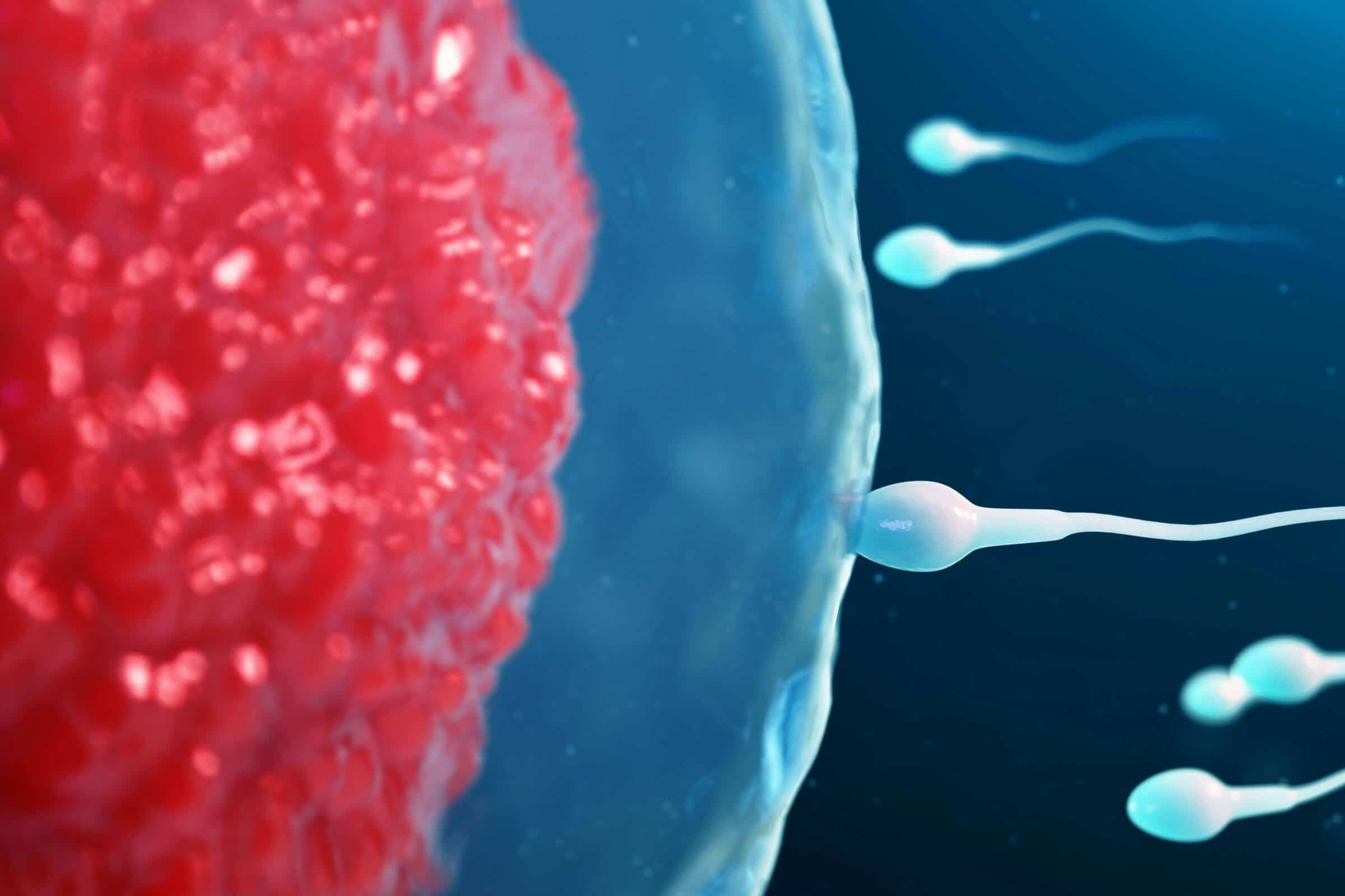
Male fertility is a more serious health concern than many men realise. According to a 2023 global burden of disease analysis, the worldwide prevalence of male infertility jumped by nearly 77% between 1990 and 2019 - and male factors are now estimated to contribute to roughly 40–50% of all infertility cases in couples. The good news? Many mild fertility and lifestyle-related issues can often be improved through the right diet, supplements, and healthier daily habits. In many cases, noticeable changes in sperm health can begin to appear within just a few months, since sperm production naturally renews in cycles. And while symptoms are not always obvious, the most reliable way to assess male fertility health is through a semen analysis, which evaluates sperm count, movement, and overall quality. Before opting for expensive treatments, it is worth looking at what you are eating and what your body might be missing. Here are 10 evidence-informed male fertility supplements and diet that have shown genuine promise for your reproductive health.
1. The Mediterranean Diet
When it comes to diet and male fertility, this Mediterranean diet tops the list. A 2024 systematic review tied Mediterranean-style eating — think vegetables, legumes, whole grains, fish, olive oil, nuts — to better sperm quality in men of reproductive age. The diet is loaded with antioxidants and anti-inflammatory compounds, which seem to protect sperm from damage.
So what exactly is it? The Mediterranean diet is based on the traditional eating habits of people living in countries bordering the Mediterranean Sea, such as Greece, Italy, and Spain. It emphasizes simple, whole, minimally processed foods and naturally limits refined and ultra-processed products. In practical terms, it is built around daily intake of fruits and vegetables, whole grains, beans and lentils, healthy fats like olive oil, and regular consumption of fish and seafood, with moderate dairy and limited red meat.
2. Cut Back on Ultra-Processed Foods
Ultra-processed foods typically include items such as packaged chips and crisps, sugary breakfast cereals, instant noodles, frozen ready meals, processed meats like sausages and hot dogs, fast food burgers and fries, fried chicken, packaged pastries, doughnuts, candy, cookies, sugary soft drinks, energy drinks, and heavily processed snack foods. These products are often high in refined sugars, unhealthy fats, excess salt, preservatives, and additives while being low in the nutrients that support hormone balance and sperm health.
A 2024 study with 358 men found that eating more ultra-processed foods correlated negatively with sperm concentration and motility. If this describes most of what you eat day-to-day, trimming it back is a reasonable starting point. Don't expect overnight results - this is about shifting habits over months, not weeks.
3. Coenzyme Q10 (CoQ10)
Your body makes CoQ10 naturally and uses it to produce energy inside cells. It also doubles as an antioxidant. While the body produces some CoQ10 on its own, levels can decline with age, stress, poor diet, and certain medications. Hence, CoQ10 can also be obtained through food sources such as oily fish (salmon, mackerel, sardines, and tuna), organ meats like liver and kidney, beef, chicken, peanuts, sesame seeds, soy products, broccoli, cauliflower, spinach, and whole grains.
A 2024 meta-analysis found that CoQ10 supplementation meaningfully improved sperm concentration, motility, and clinical pregnancy rates in men with unexplained infertility. Treatment for more than three months showed the strongest results.
4. L-Carnitine
L-carnitine is an amino acid that shows up in unusually high concentrations in sperm and the male reproductive tract. It plays a role in sperm energy production. A 2025 systematic review found that carnitine supplementation significantly improved sperm motility in infertile men. It is particularly worth considering for men with motility issues.
L-carnitine can be obtained naturally through foods such as red meat (especially beef and lamb), chicken, fish, milk, cheese, and other dairy products. Beyond fertility, L-carnitine may help reduce exercise-related fatigue and support modest weight management efforts when combined with regular physical activity and a balanced diet.
5. Zinc
Your body can't store zinc, so you need it regularly through food or male fertility supplements. It touches sperm production, testosterone metabolism, and DNA integrity. The 2025 systematic review found zinc paired with folic acid improved sperm concentration in infertile men. Oysters, red meat, pumpkin seeds, and legumes are the best food sources. Low zinc is fairly common among men with low sperm counts, so it's worth getting your levels checked rather than guessing.
6. Selenium
Selenium comes mostly from Brazil nuts, tuna, and eggs. The body uses it to make glutathione peroxidase, which shields sperm from oxidative damage. The 2025 meta-analysis found it improved sperm motility on its own. Pairing it with Vitamin E, you get more selenium - 2023 review found the combination outperforms either one alone for both motility and morphology (sperm shape).
7. Omega-3 Fatty Acids
The omega-3s in oily fish - salmon, sardines, mackerel - are literally part of how sperm membranes are built. One meta-analysis put omega-3 male fertility supplements at the top of the list for improving sperm concentration, ahead of several other supplements that get more attention. Eating 2-3 servings of oily fish per week or a fish oil capsule is a reasonable approach.
8. Vitamin D
Sperm cells actually carry Vitamin D receptors, and men with low levels tend to show reduced motility. A 2023 meta-analysis found that male fertility supplements modestly improved both total motility and morphology. It’s better to test your Vitamin D levels before just adding a supplement since the deficiency is quite common.
9. Folic Acid
Most people associate folic acid with pregnancy, but it's relevant for men too since folic acid is involved in DNA synthesis and sperm production. The 2025 meta-analysis found that male fertility supplements works better in combination; zinc plus folic acid improved sperm concentration more than folic acid taken alone. Food-wise, dark leafy greens, lentils, and fortified cereals are your best bets.
10. Multi-Supplement Combinations
None of these is a magic bullet on its own. The 2025 meta-analysis found that taking three or more male fertility supplements supplements together produced bigger improvements in sperm concentration than almost any single-nutrient approach. The combination effect seems to be real, not just additive.
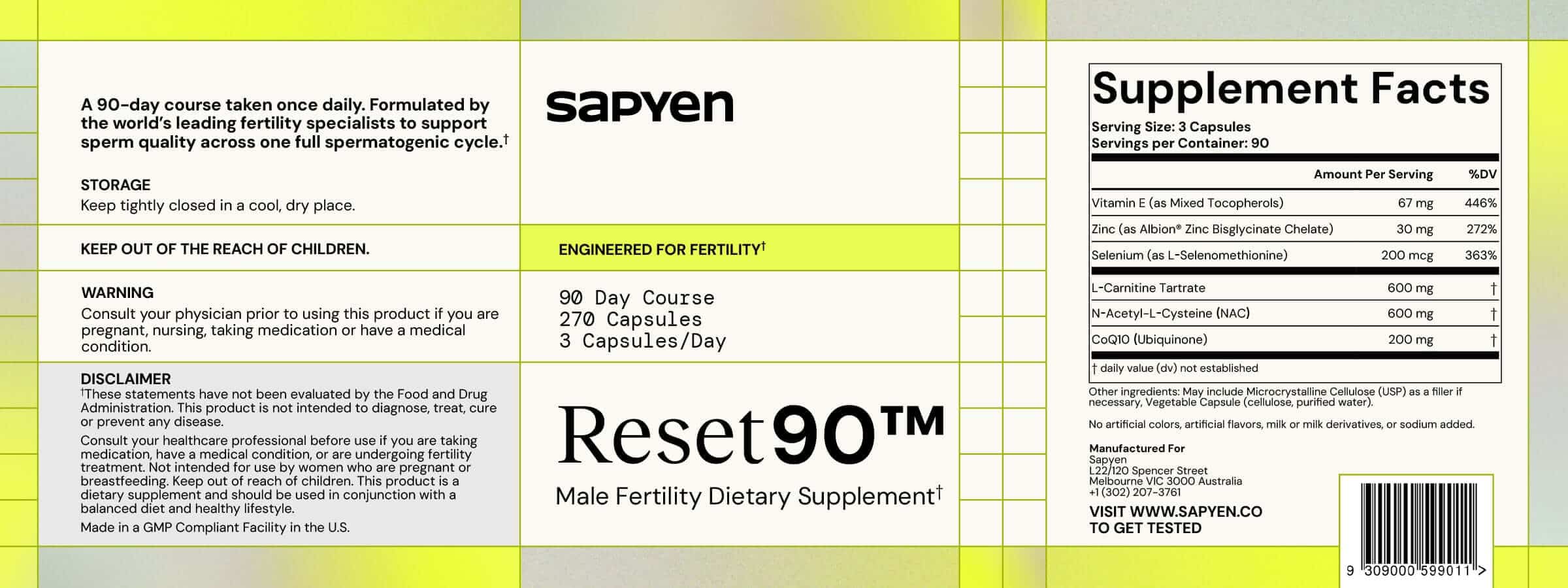
Sapyen's Male Fertility Supplement, RESET90 is a specially formulated blend of vitamins designed to improve and optimise your fertility health over 90 days. However, it is worth checking with a general practitioner about further supplement advice before adding anything new, particularly if you are on medication.
A Few Things Worth Keeping in Mind
The research on male fertility supplements is genuinely promising in parts, but it is also honest about its limits. The same 2025 meta-analysis that identified improvements in sperm parameters was clear that no supplement showed convincing evidence of improving the rates of actual pregnancy or live birth. Sperm quality markers are a proxy - they don't always translate directly to conception outcomes.
That said, sperm production takes roughly 90 days from start to finish. Any dietary or supplement change needs at least three months to show up in results. This is a long game, not a quick fix.
Tracking progress with repeat semen analysis over time can help give a clearer picture of how your fertility health is responding to diet, lifestyle, and supplement changes. Sapyen recommends starting with a baseline semen analysis and reassessing after 90 days to better understand measurable improvements in sperm count, motility, and quality.
Core Semen Analysis
$149.00
$250.00
Get a clear, clinical picture of your sperm health with Sapyen’s Core Semen Analysis. We measure key factors like sperm count, concentration, motility, and morphology. Designed for convenience without compromising accuracy, it’s the easiest way to check in on your… read more

If you and your partner have been trying to conceive for 12 months (or six months if you are over 35), talk to your doctor. They start with semen analysis in order to know your fertility health followed by recommending the right diet and lifestyle changes.
For more information go to sapyen.co or contact Sapyen Team. We also offer RESET90 to support and optimise fertility health over 90 days.
References
FAQs
Can diet really improve sperm health?
Yes. Research suggests that diet, exercise, sleep, stress management, and reducing harmful habits like smoking or excessive alcohol consumption can positively influence sperm health. Because sperm production renews in cycles, measurable improvements may begin to appear within approximately 90 days.
How long does it take to improve sperm quality?
Sperm production takes roughly 90 days from start to finish. Most fertility specialists recommend maintaining dietary and lifestyle changes consistently for at least three months before reassessing fertility markers through repeat testing.
What is the best diet for male fertility?
The Mediterranean diet currently has some of the strongest evidence supporting male fertility health. Diets rich in vegetables, legumes, whole grains, olive oil, fish, nuts, and minimally processed foods have been associated with better sperm concentration, motility, and overall quality.
Do ultra-processed foods affect sperm quality?
Research suggests they can. Diets high in ultra-processed foods, sugary drinks, processed meats, and heavily refined products have been associated with poorer sperm concentration and motility. Reducing these foods is often recommended as part of a broader fertility optimisation plan.
Which supplements are commonly linked to male fertility support?
Some of the most studied supplements include:
- CoQ10
- L-Carnitine
- Zinc
- Selenium
- Omega-3 fatty acids
- Vitamin D
- Folic acid
These nutrients have been associated with improvements in sperm parameters such as concentration, motility, morphology, and DNA integrity in certain studies.
Do fertility supplements guarantee pregnancy?
No. Improvements in sperm parameters do not necessarily guarantee pregnancy or live birth outcomes. Fertility is multifactorial and depends on both male and female reproductive health. Supplements should be viewed as supportive tools rather than guaranteed solutions.
Should I take multiple supplements together?
Some studies suggest that combining multiple supplements may produce greater improvements in sperm parameters than single ingredients alone. However, supplementation should ideally be discussed with a healthcare professional, especially if you are taking medication or have underlying health conditions.
What is RESET90?
RESET90 is Sapyen’s male fertility supplement formulated to support sperm health and fertility optimisation over a 90-day period. It is designed around the approximate sperm production cycle and is intended to complement broader lifestyle and dietary improvements.
What is a semen analysis?
A semen analysis is a laboratory test that evaluates key fertility markers including sperm count, motility (movement), morphology (shape), and overall semen quality. It is considered the most reliable starting point for assessing male fertility health.
Sapyen allows patients to collect a semen sample from home and send it to a partner laboratory for analysis. Sapyen’s proprietary SPX72 technology helps preserve sample viability during transport for up to 72 hours, enabling laboratory-based testing without needing to attend a clinic collection room.