
Table of Contents
It may be surprising to know that about half of all fertility problems in couples are from the male side, yet it rarely receives the same airtime as female fertility problems. One of the most common misconceptions is that fertility issues are a female issue and males don't need to be as concerned about their own sperm health. This is clearly not the case. According to the World Health Organisation, around 1 in 6 people globally are affected by infertility at some point in their lives. That is a significant number, and yet most men have no idea where their male fertility health actually stands until they have been trying to conceive for months or even years.
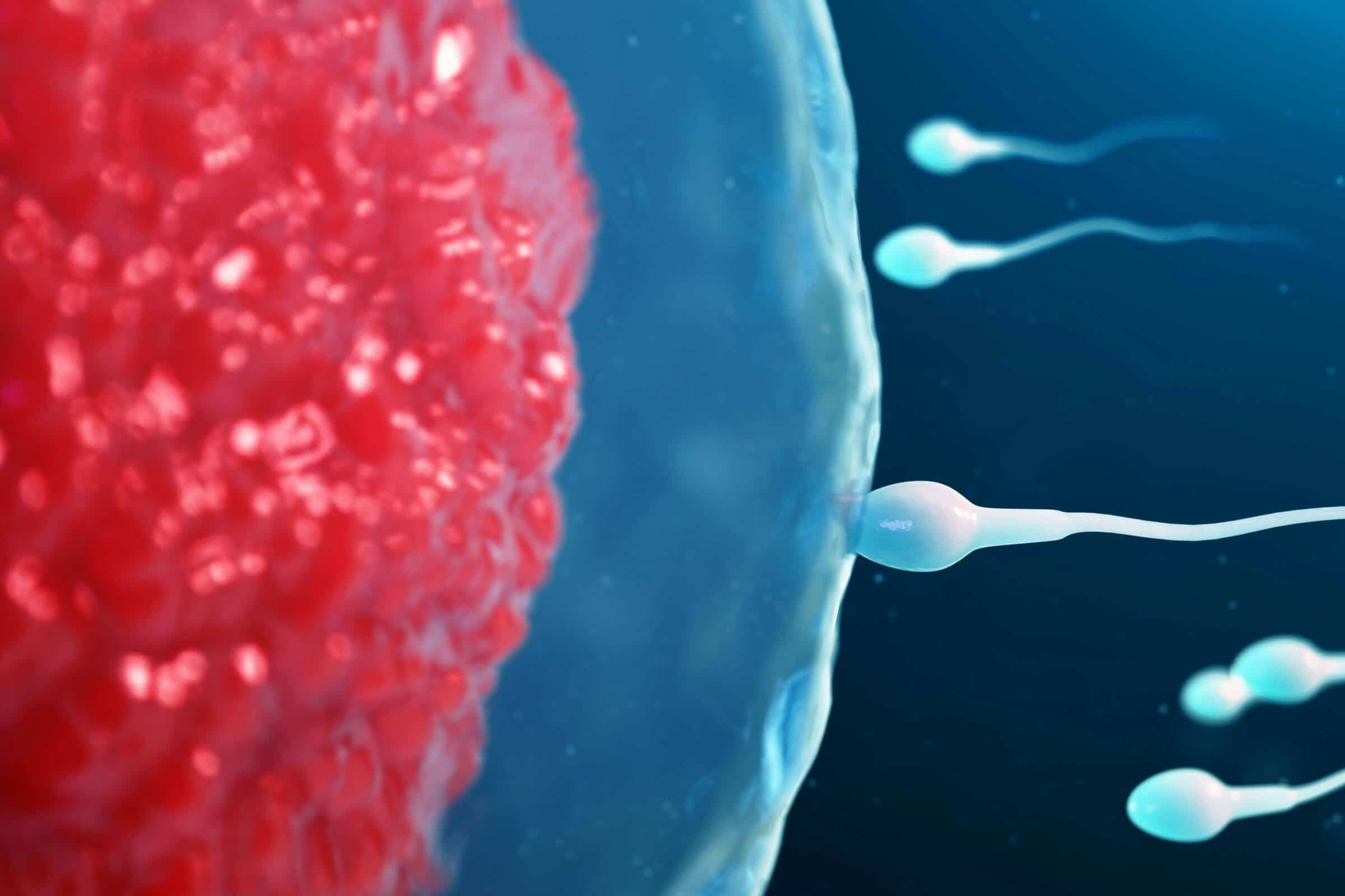
The good news is that for most men, your sperm health status is not locked in. Unlike eggs, sperm renew roughly every 74 days. That means real lifestyle changes can produce measurable differences in about three months. Here is what the research actually shows.
Watch What You Eat
A diet high in processed foods, trans fats, and sugar has been linked to lower sperm count and reduced motility (how well sperm move). A 2018 review published in Human Reproduction Update found that men who followed a Western-style diet had significantly worse sperm parameters than those who ate more whole foods, fish, and vegetables.
You do not need to follow any specific diet plan. Just cutting back on takeaway and eating more nuts, leafy greens, eggs, and oily fish is a reasonable start. Walnuts in particular showed a positive association with male fertility health in a UCLA study published in Biology of Reproduction.
Stop Smoking. Cut Back on Alcohol.
Smoking is associated with reduced sperm count, poorer sperm shape (morphology), and increased DNA - all of which can impact the likelihood of being able to conceive a baby. A large meta-analysis in European Urology found that smokers had around 13% lower sperm concentrations compared to non-smokers.
Alcohol is more nuanced. Occasional, light drinking is not thought to cause major harm. But heavy or regular drinking - more than 14 standard drinks per week - has been associated with lower testosterone levels and reduced sperm quality. A Danish cohort study showed that even moderate weekly alcohol intake was linked to reduced semen quality in young men, affecting their male fertility health.
Fitness and Exercise - But Don’t Overtrain
Men who exercise consistently tend to have better sperm parameters than sedentary men, according to a 2017 study in the Journal of Urology. Regular moderate exercise improves testosterone levels and blood flow, leading to better male fertility health.
The catch? Overtraining - particularly cycling long distances or doing intense endurance sports multiple times a week - can suppress testosterone. Long-distance cycling has also been linked to scrotal pressure and heat, both of which can affect sperm production.
Aim for moderate, consistent activity rather than extreme training. If you are a routine cyclist or actively competing, just be mindful of the potential impact on your fertility health - especially as you prepare to conceive or actively try. |
Keep the Heat Down
Sperm production requires a temperature about 2 to 4 degrees cooler than core body temperature. That is why the testes sit outside the body. Habits that raise scrotal temperature - like sitting for long periods, using laptops on your lap, or using hot tubs frequently - can negatively affect sperm production.
A 2018 review in Basic and Clinical Andrology confirmed that elevated scrotal temperature is a well-established factor in reduced sperm output.
Simple changes - taking breaks from sitting, switching to boxers, avoiding prolonged hot baths - can help. |
Manage Stress
Stress does not get talked about enough in the fertility conversation. Prolonged psychological stress raises cortisol levels, which can interfere with the hormones needed for sperm production -particularly FSH (follicle-stimulating hormone) and LH (luteinising hormone).
A study published in Fertility and Sterility found that men who reported higher work-related stress had lower sperm concentrations and poorer motility than those with lower stress levels. Basic sleep hygiene, regular movement, and finding time to actually switch off all contribute to a better male fertility health.
Check Your Supplements
Certain micronutrients are directly involved in sperm production and protection. Zinc, folate, selenium, and vitamins C and E have all been studied in this context. A 2020 review in Andrology found that antioxidant supplementation showed improvements in sperm motility and DNA integrity.
That said, supplements are not a fix-all. They work best alongside diet and lifestyle changes, not as a substitute for them.
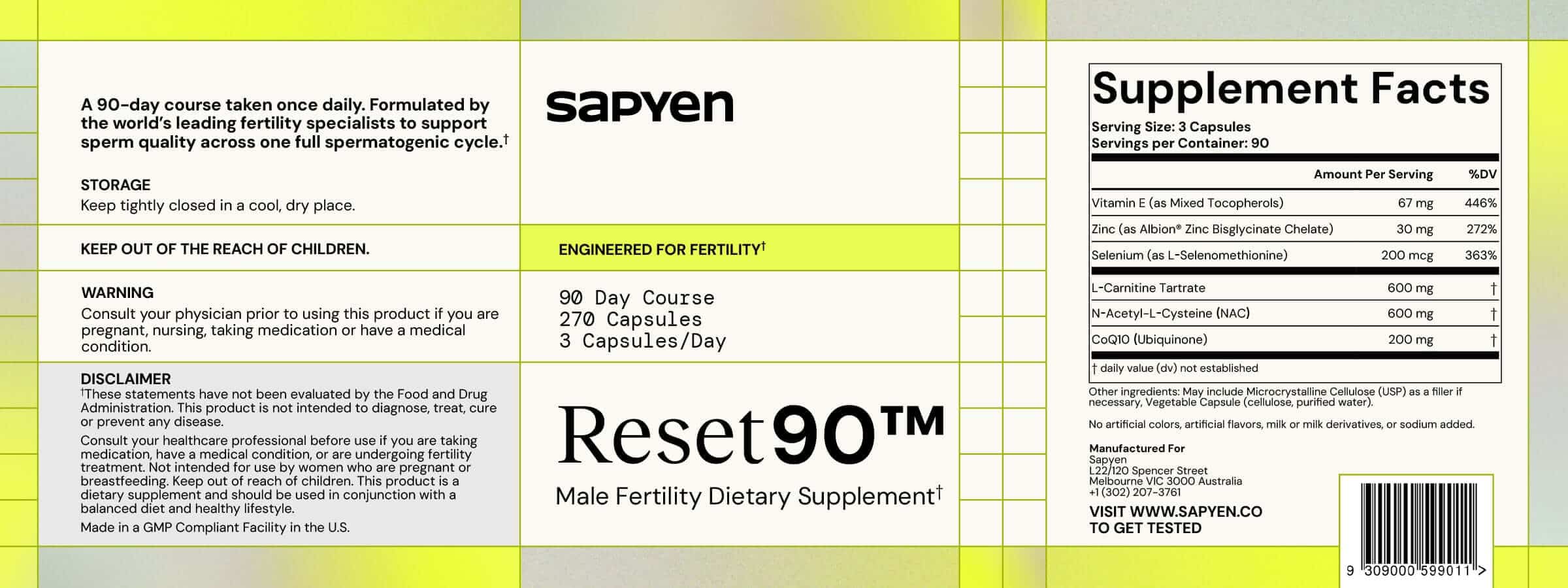
Sapyen's Male Fertility Supplement, RESET90, is a specially formulated blend of vitamins designed to improve and optimise your fertility health over 90 days. However, it is worth checking with a general practitioner before adding anything new, particularly if you are on medication.
Know Where You Stand
The most overlooked step is actually checking your sperm health - before you have spent a year trying and wondering. Semen analysis is the standard way to assess sperm count, motility, and morphology, but traditionally it has meant a clinic visit, which many men put off.
That is changing. At-home testing has made it much easier to get a baseline reading without the awkwardness or wait times. Sapyen's at-home male fertility analysis kit is one option worth looking at if you want a practical starting point. It gives you a clear picture of your sperm health from home, which at minimum tells you whether there is something worth investigating further with a specialist.
Once your male fertility health has been optimised, consider sperm freezing. Sperm freezing is now easier to access than ever - and more affordable. Contact Sapyen to find out how you can freeze your sperm for just $1 for the first 12 months (terms and conditions apply).
References
https://www.who.int/news/item/04-04-2023-1-in-6-people-globally-affected-by-infertility
https://academic.oup.com/biolreprod/article/87/4/101/2514115
https://www.sciencedirect.com/science/article/abs/pii/S0302283815005382
https://basicandclinicalandrology.biomedcentral.com/articles/10.1186/s12610-018-0067-2
https://www.fertstert.org/article/S0015-0282(14)00015-0/fulltext
FAQs
Can men have fertility problems without symptoms?
Yes. Male fertility issues such as low sperm count, poor motility, or abnormal sperm shape often cause no noticeable symptoms. Many men feel completely healthy and still have underlying sperm quality problems.
Does sperm health change over time?
Yes. Sperm health is influenced by age, lifestyle, stress, diet, smoking, alcohol use, weight, and overall health. Fertility is not fixed, and sperm quality can improve or decline over time.