
Table of Contents
Most men don't think about their fertility until something forces the issue — a cancer diagnosis, a relationship timeline that doesn't quite line up, or a doctor bringing it up before surgery. Sperm freezing is essentially a backup plan: you collect a sample, it gets frozen and stored, and it's there if you need it down the track.
What Actually Happens When You Freeze Sperm?
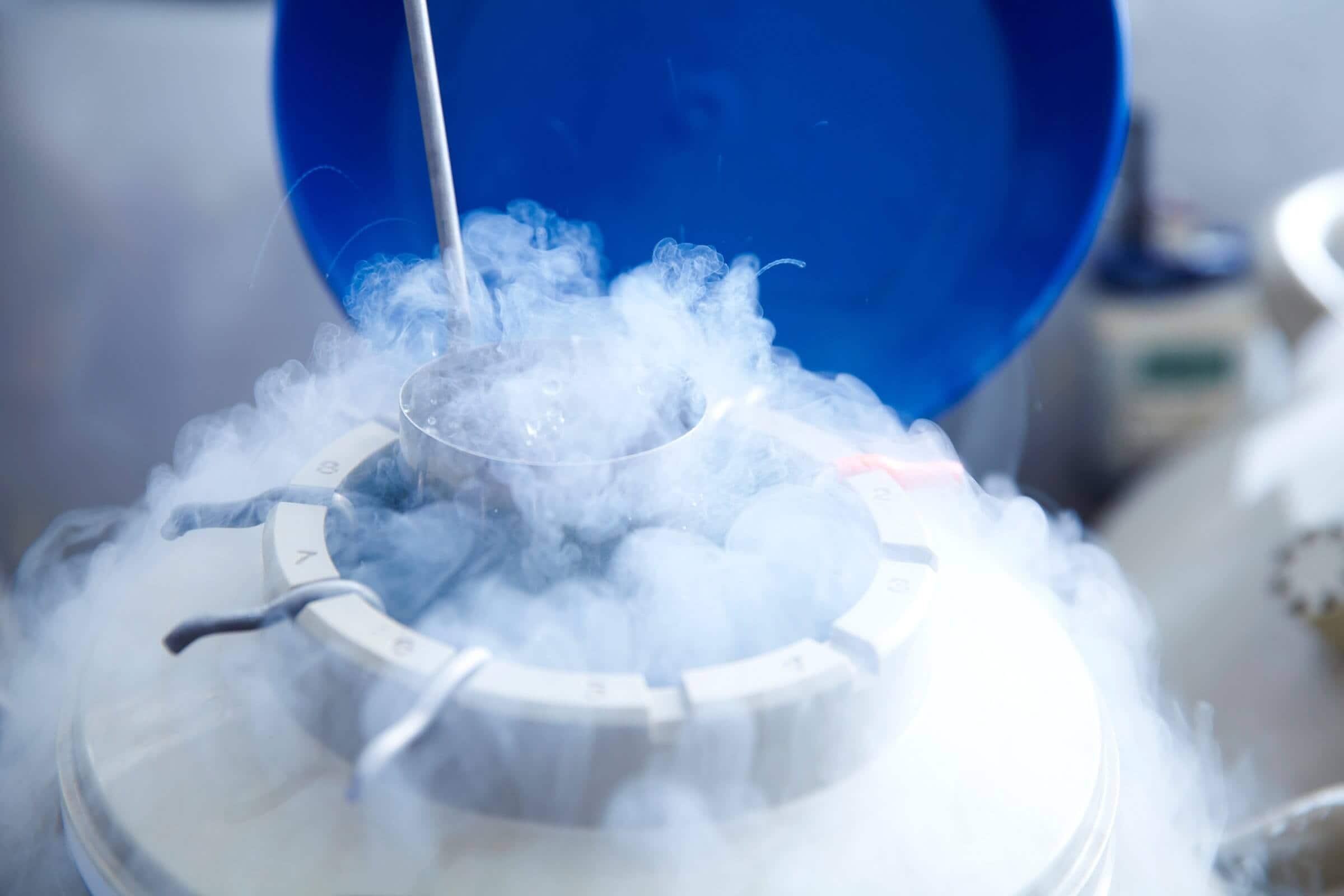
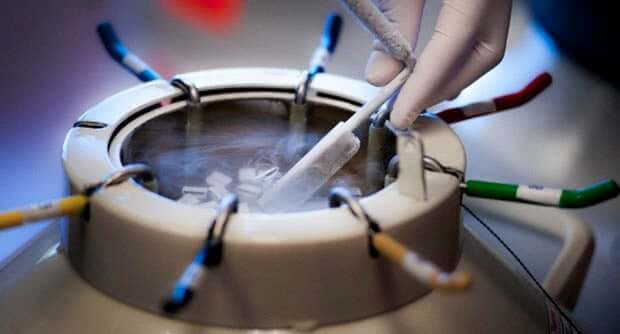
Sperm freezing, also called sperm cryopreservation, is exactly what it sounds like. A sample is collected, processed in a lab, and stored at extremely low temperatures until you're ready to use it. The sperm is mixed with a protective liquid, called a cryoprotectant, that shields the cells during freezing, then stored in liquid nitrogen at −196°C.
The semen sample is produced at home after two to seven days of abstinence, and sent only to certified or accredited laboratories using Sapyen's patent-pending SPX72 transport medium, which keeps samples viable for up to 72 hours.
Not all sperm survive the freeze-thaw process. IVF Australia notes that roughly 25–50% of sperm survive freezing, though Brigham and Women's Hospital reports figures closer to 75% with newer rapid-freezing methods. Sperm that survives is generally healthy and capable of achieving a pregnancy through in vitro fertilisation (IVF) or intrauterine insemination (IUI — where sperm is placed directly into the uterus around ovulation).
How Long Can Frozen Sperm Last?
Scientifically, there is no upper time limit. Brigham and Women's Hospital notes that babies have been born from sperm frozen 40 years earlier.
Sperm can be stored frozen for decades when stored in liquid nitrogen at -196℃.
Though the standard storage period is 5-10 years, it can be extended in certain circumstances with a maximum limit of 55 years. Each state has slightly different rules, so it's worth asking your clinic what applies in your state.
Who Should Consider Sperm Freezing?
Sperm freezing (cryopreservation) should be considered by men looking to preserve fertility due to upcoming cancer treatments or surgical procedures, high-risk occupations, taking finasteride for hair loss, or advancing age.
It is a safe method to ensure future family planning options if sperm quality is declining or when using assisted reproduction.
Here’s the detailed breakdown:
1. Men Facing Medical Treatment
This is the clearest-cut case. Chemotherapy and radiation can permanently damage sperm production, sometimes within days of starting treatment. The American Society of Clinical Oncology (ASCO) recommends sperm freezing to be offered to all males before any cancer-directed treatment begins.
The American Urological Association (AUA) also recommends that any male undergoing chemotherapy or radiation be told about the benefits of sperm banking beforehand.
Surgery around the reproductive organs, including vasectomy, is another common trigger. Storing sperm before a vasectomy means the option for biological children exists later without needing a reversal procedure.
2. Men Initiating or on Long-Term TRT
Men starting or currently on Testosterone Replacement Therapy (TRT) should consider sperm freezing, as exogenous testosterone often causes significant declines in sperm count and quality, potentially leading to infertility.
It is strongly recommended to freeze sperm before initiating TRT to preserve future fertility options, as recovery after stopping treatment can take 4 months to over 2 years.
3. Men Taking Finasteride
Men taking finasteride should consider sperm freezing if they have pre-existing fertility issues, are using higher doses, or plan long-term use while desiring future children. While 1 mg typically doesn't affect most men, it can reduce sperm count in some, and freezing provides a safeguard.
4. Men Who Want to Delay Having Children
Some men freeze sperm simply because they're not ready to have kids yet, but they're aware that sperm quality changes with age. This is where sperm freezing is a rapidly growing form of “biological insurance" that offers flexibility, peace of mind, and control over future family planning.
A retrospective study published in Frontiers in Endocrinology found that sperm motility and morphology decline significantly in men over 40.
Another study found that conception is 30% less likely for men over 40 compared to men under 30. Freezing sperm in your 20s or early 30s locks in a sample from a biologically younger version of you.
5. Men in High-Risk Situations
Men in occupations with significant physical risk - military, mining, construction - sometimes freeze sperm as a precaution. Exposure to chemicals, radiation, or potential injury to the reproductive area is the major reason some men choose to bank sperm as a contingency.
6. Transgender Men or Gender-Diverse People
People assigned male at birth who plan to undergo gender-affirming hormone therapy or surgery may wish to freeze sperm beforehand, as hormone treatment affects sperm production. The American Society for Reproductive Medicine (ASRM) includes this as a standard indication for fertility preservation.
Does Sperm Freezing Work?
Yes, though it's not a guarantee. Research comparing frozen and fresh sperm in IVF and intracytoplasmic sperm injection (ICSI — where a single sperm is injected directly into an egg) has found no significant difference in pregnancy rates.
Intrauterine insemination (IUI) using frozen sperm shows slightly lower success rates than fresh samples — roughly 16% versus 21% per cycle, but IVF outcomes are equivalent.
What Is the Cost of Sperm Freezing?
There is no Medicare rebate for sperm freezing in most circumstances, though the Australian Government's Assisted Reproductive Technology (ART) Storage Funding Program assists eligible patients, particularly those facing cancer treatment or a genetic condition.
For others paying out of pocket, rough figures to expect:
Initial freezing fee: Approximately $500–$700 (some clinics include six months of storage)
Ongoing storage: Roughly $280–$480 per year, depending on the clinic
Sperm freezing in the UK typically costs around £400–£750 for the initial freezing procedure with annual storage fees ranging from £300–£390.
In the US, it typically costs between $500 and $1,500 upfront for testing and initial freezing, with annual storage fees ranging from $150 to $600. Costs vary globally, with India offering lower costs ($105–$195) compared to Western nations.
The good news is that sperm freezing is now easier to access than ever - and more affordable. Contact Sapyen to find out how you can freeze your sperm for just $1 for the first 12 months (terms and conditions apply).

What to Ask Before You Start Sperm Freezing
A general physician or fertility specialist can give you a referral. Before your appointment, a few things worth asking:
How many samples should I collect, and over how many days?
What happens to my sample if I move interstate or overseas?
What are the consent requirements if the samples are never used?
Can storage be extended past 10 years if I need it?
Sperm freezing doesn't guarantee a baby down the track. But for men facing medical treatment, planning to delay having children, or wanting a contingency in place, it is one of the more practical steps available.
References
FAQs
What are the benefits of sperm freezing?
Sperm freezing can help preserve fertility before medical treatments such as chemotherapy, radiation, or surgery that may permanently affect sperm production. It also gives men and couples greater flexibility in planning parenthood for the future. Research from the British Fertility Society has documented successful pregnancies using sperm stored for more than 20 years.
Are there any risks or limitations to sperm freezing?
Yes. Not all sperm survive the freezing and thawing process. On average, around 50–80% of sperm remain viable after thawing, although this differs from person to person. Sperm freezing also does not improve existing sperm quality; it only preserves the sample as it is at the time of storage. In addition, long-term storage involves ongoing annual fees, and for some men, particularly those preparing for treatment of a serious illness, the process can feel emotionally overwhelming.
How successful is pregnancy using frozen sperm?
Frozen sperm can successfully result in pregnancy, but success rates depend on several factors, including the female partner’s age and fertility, the number of healthy sperm available after thawing, and the fertility treatment used. A 2019 study published in Fertility and Sterility found that IVF outcomes using frozen sperm were generally comparable to those using fresh sperm.
Which fertility treatment works best with frozen sperm?
The most suitable treatment depends on sperm quality and the couple’s fertility profile. IUI (intrauterine insemination) typically has success rates of around 10–20% per cycle. IVF with ICSI (Intracytoplasmic Sperm Injection), where a single sperm is injected directly into the egg, often provides better outcomes when sperm quality or sperm DNA integrity is a concern. A fertility specialist can recommend the most appropriate option based on individual circumstances.